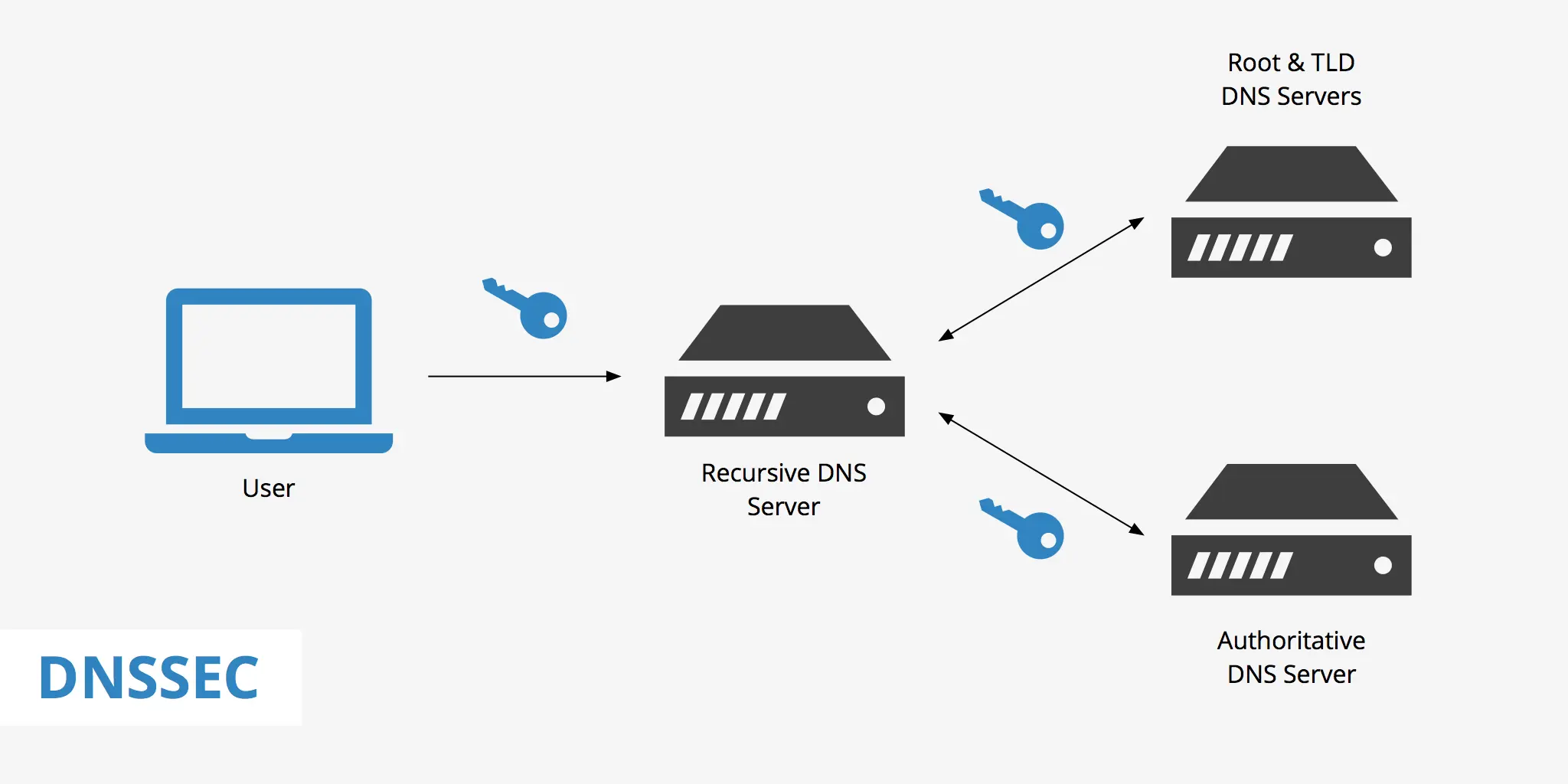
DNSSEC, or Domain Name System Security Extensions, is a suite of security extensions to the DNS protocol that provides authentication of DNS data, cryptographic integrity, and authenticated denial of existence. In simpler terms, it’s a security measure designed to protect internet users from forged or manipulated DNS data, preventing them from being redirected to malicious websites or services.
The core problem DNSSEC addresses is the inherent vulnerability of the traditional DNS system to attacks like DNS spoofing and cache poisoning. In these attacks, malicious actors can inject false DNS records into DNS servers, causing users who query those servers to be directed to fraudulent websites, often for phishing or malware distribution purposes.
DNSSEC works by digitally signing DNS records with cryptographic keys. These signatures allow DNS resolvers to verify the authenticity and integrity of the data they receive from DNS servers. When a DNS resolver receives a DNS record, it uses the public key of the domain to verify the digital signature attached to the record. If the signature is valid, the resolver can be confident that the record has not been tampered with and that it originated from the authoritative DNS server for that domain.
The chain of trust is a critical concept in DNSSEC. It starts with a root key, which is managed by a trusted authority. The root key is used to sign the keys of top-level domains (TLDs) like .com, .org, and .net. Each TLD, in turn, signs the keys of the domains within it, and so on. This creates a hierarchical chain of trust, allowing resolvers to verify the authenticity of any DNS record by tracing it back to the root key.
While DNSSEC provides significant security benefits, it also introduces some complexity to DNS management. Domain owners need to generate and manage cryptographic keys, sign their DNS records, and ensure that their DNS servers are properly configured to support DNSSEC. However, the increasing availability of tools and services that simplify DNSSEC deployment is making it easier for domain owners to adopt this important security technology. As the internet becomes increasingly reliant on secure and trustworthy communication, the importance of DNSSEC in protecting users from online threats will only continue to grow.