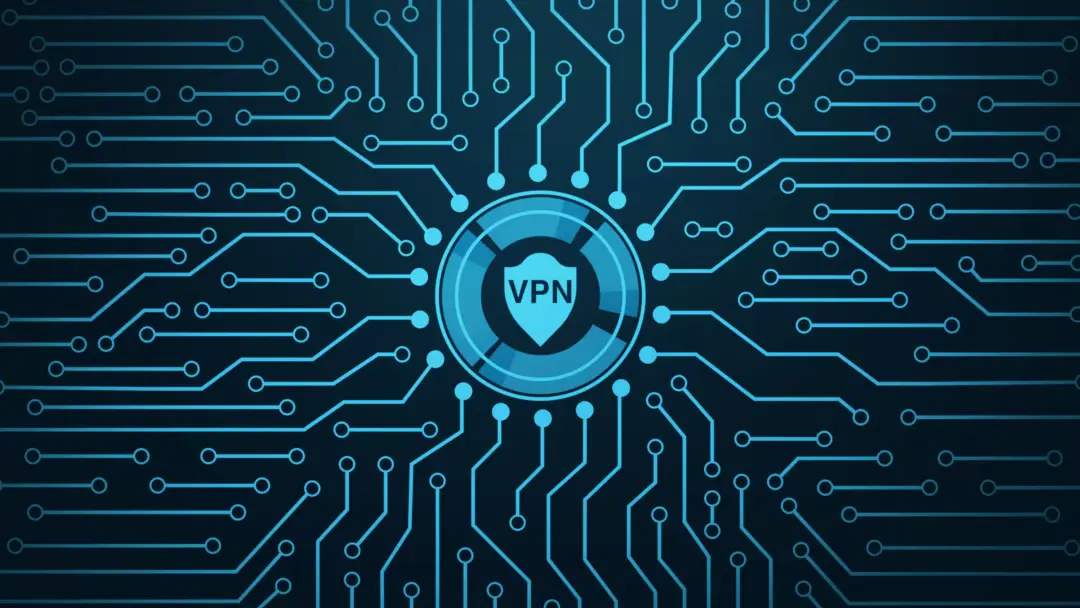
A Virtual Private Network (VPN) is a technology that creates a secure, encrypted connection over a less secure network, such as the public internet. Think of it as a private tunnel for your internet traffic, shielding your data from prying eyes. VPNs are commonly used to protect sensitive information, bypass geographical restrictions, and enhance online privacy.
At its core, a VPN works by routing your device’s internet traffic through a VPN server in a location of your choice. This server acts as an intermediary, masking your actual IP address with its own. As a result, your online activity appears to originate from the VPN server’s location, effectively concealing your true location and identity. The data transmitted between your device and the VPN server is encrypted, rendering it unreadable to anyone who might be eavesdropping.
One of the primary benefits of using a VPN is enhanced security, especially when connecting to public Wi-Fi networks. Public Wi-Fi hotspots are often unsecured, making them vulnerable to hackers who can intercept your data. A VPN encrypts your traffic, making it significantly harder for cybercriminals to steal your passwords, financial information, or other sensitive data.
VPNs also play a crucial role in protecting online privacy. By masking your IP address and encrypting your traffic, a VPN prevents websites, advertisers, and even your internet service provider (ISP) from tracking your online activities. This can be particularly useful for individuals who want to maintain their anonymity online or avoid targeted advertising.
Another popular use case for VPNs is bypassing geographical restrictions. Many streaming services, websites, and online content providers restrict access based on your location. By connecting to a VPN server in a different country, you can circumvent these restrictions and access content that would otherwise be unavailable. For example, you could use a VPN to watch a TV show that is only available in the US or access a news website that is blocked in your country.
However, it’s important to note that not all VPNs are created equal. Some VPN providers may log your online activity, which defeats the purpose of using a VPN for privacy. It’s crucial to choose a reputable VPN provider with a clear privacy policy and a proven track record of protecting user data. Also, keep in mind that while a VPN can significantly enhance your online security and privacy, it’s not a silver bullet. It’s still important to practice safe browsing habits, such as avoiding suspicious websites and using strong passwords.