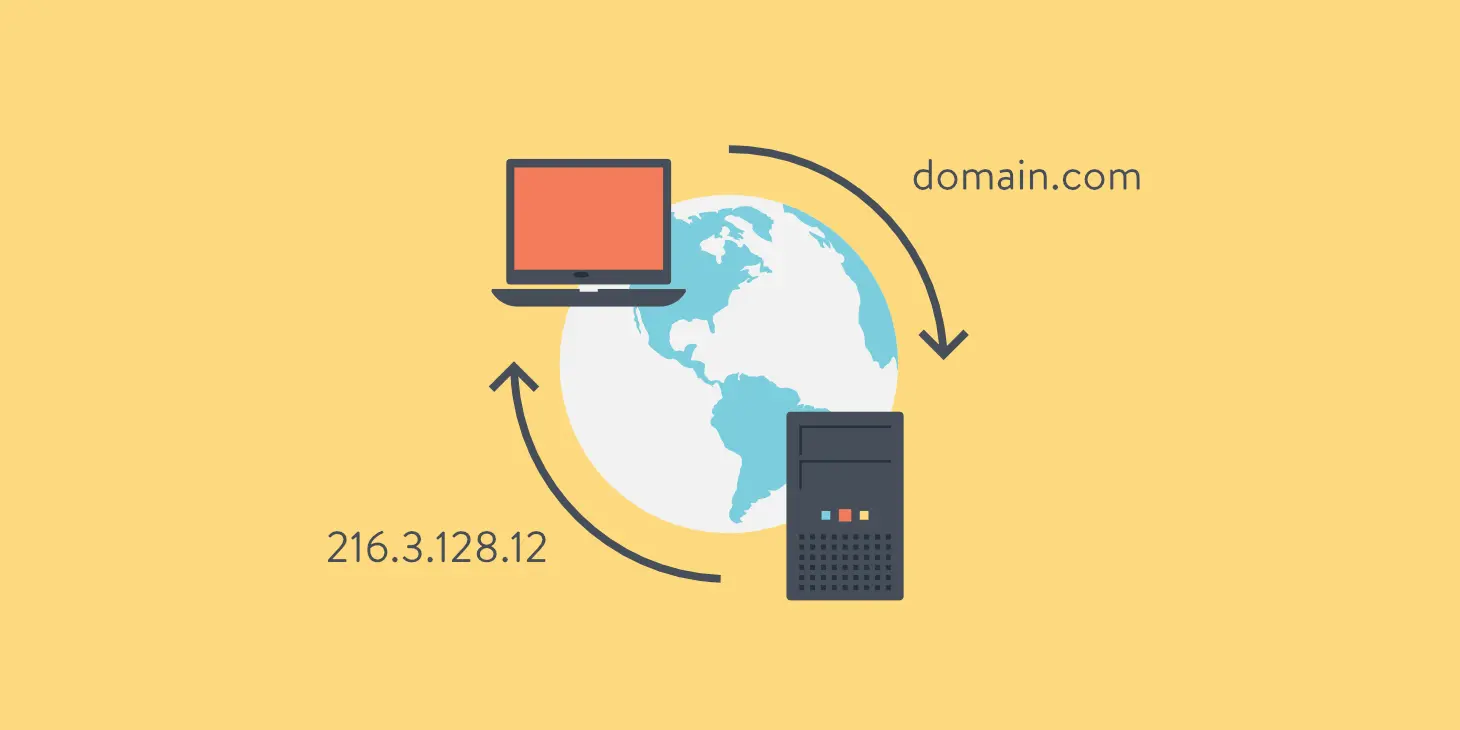
DNS stands for Domain Name System. It is a hierarchical and decentralized naming system for computers, services, or any resource connected to the Internet or a private network. It translates domain names, which are easy for humans to remember, into IP addresses, which are used by computers to identify each other on the network.
Think of the DNS as the Internet’s phonebook. When you type a domain name like “www.example.com” into your web browser, your computer needs to know the IP address of the server hosting that website in order to connect to it. The DNS system performs the task of looking up the IP address associated with that domain name.
The DNS system is hierarchical, meaning it is structured like an inverted tree. At the top of the hierarchy is the root domain, which is represented by a dot (“.”). Below the root domain are the top-level domains (TLDs) such as “.com”, “.org”, “.net”, and country-specific domains like “.uk”, “.de”, and “.jp”. Each TLD can have multiple second-level domains, such as “example.com”.
When a user types a domain name into their browser, the computer sends a DNS query to a DNS resolver, which is typically provided by the user’s Internet Service Provider (ISP). The resolver then starts querying various DNS servers, starting from the root servers, to find the IP address associated with the domain name. The root servers direct the resolver to the appropriate TLD servers, which in turn point to the authoritative name servers for the domain. The authoritative name servers hold the actual DNS records for the domain, including the IP address.
Once the resolver receives the IP address from the authoritative name server, it caches the information for a certain period of time, known as the Time-To-Live (TTL). This helps to speed up future DNS queries for the same domain. Finally, the resolver returns the IP address to the user’s computer, which can then establish a connection to the web server hosting the website.
DNS is a critical component of the Internet infrastructure, enabling users to access websites and other online resources using easy-to-remember domain names instead of complex IP addresses. It is a distributed and resilient system that ensures the smooth functioning of the Internet.