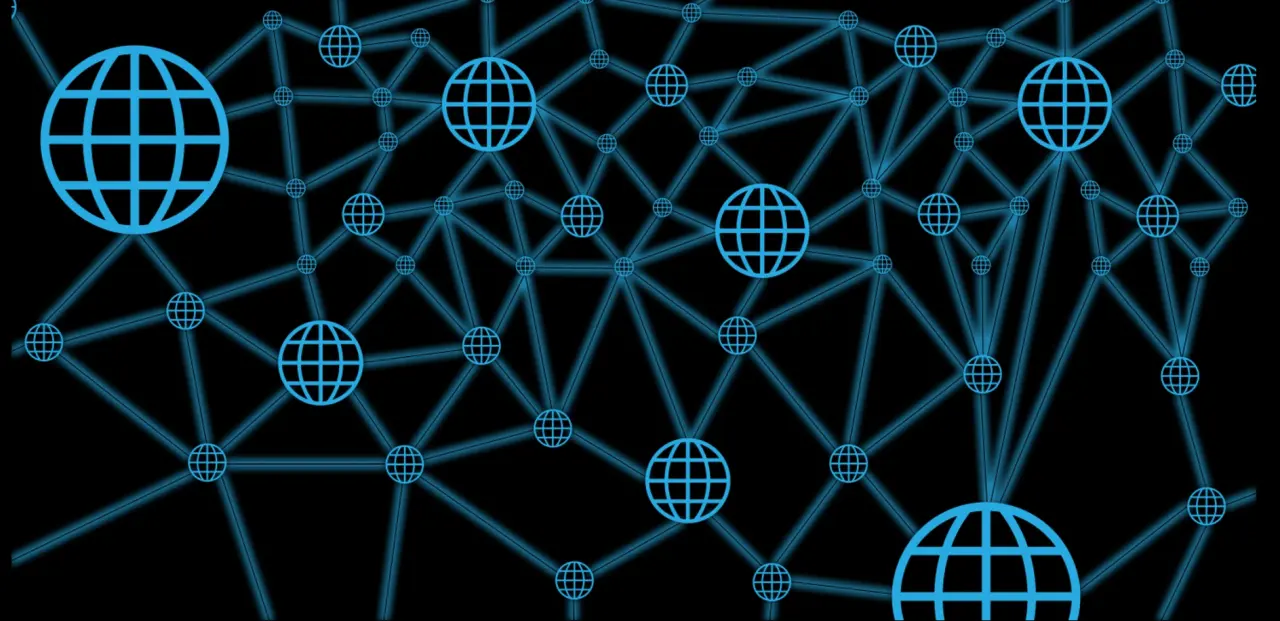
Decentralized networks represent a paradigm shift in how systems and organizations operate, moving away from central control and single points of failure towards distributed, resilient, and often more democratic structures. These networks, underpinned by technologies like blockchain, distributed ledger technology (DLT), and peer-to-peer (P2P) systems, are transforming industries ranging from finance and supply chain management to social media and governance.
At their core, decentralized networks distribute power and decision-making across a network of participants. Instead of relying on a central authority to manage data, transactions, or resources, these networks operate on consensus mechanisms, where participants collectively validate and maintain the integrity of the system. This distributed approach enhances security by eliminating single points of attack and making it significantly more difficult for malicious actors to compromise the network.
One of the most well-known examples of decentralized networks is blockchain technology, which serves as the foundation for cryptocurrencies like Bitcoin and Ethereum. Blockchains are immutable, transparent ledgers that record transactions in a secure and verifiable manner. Each block in the chain contains a set of transactions, and new blocks are added through a process called mining or staking, which requires participants to solve complex cryptographic puzzles or commit their resources to the network.
The benefits of decentralized networks extend beyond security and resilience. They can also foster greater transparency, as all participants have access to the same information and can verify the validity of transactions. This transparency can build trust and accountability, particularly in industries where intermediaries and centralized control have historically led to inefficiencies or corruption.
Furthermore, decentralized networks can empower individuals and communities by giving them more control over their data, assets, and decisions. In the realm of social media, for example, decentralized platforms offer users greater autonomy over their content and personal information, reducing the risk of censorship or manipulation by centralized platforms.
However, decentralized networks also present challenges. Scalability, regulatory uncertainty, and the complexity of developing and deploying decentralized applications are all factors that need to be addressed for these networks to reach their full potential. Despite these challenges, the potential benefits of decentralization are undeniable, and the continued development and adoption of these technologies promise to reshape the future of numerous industries and aspects of our lives.