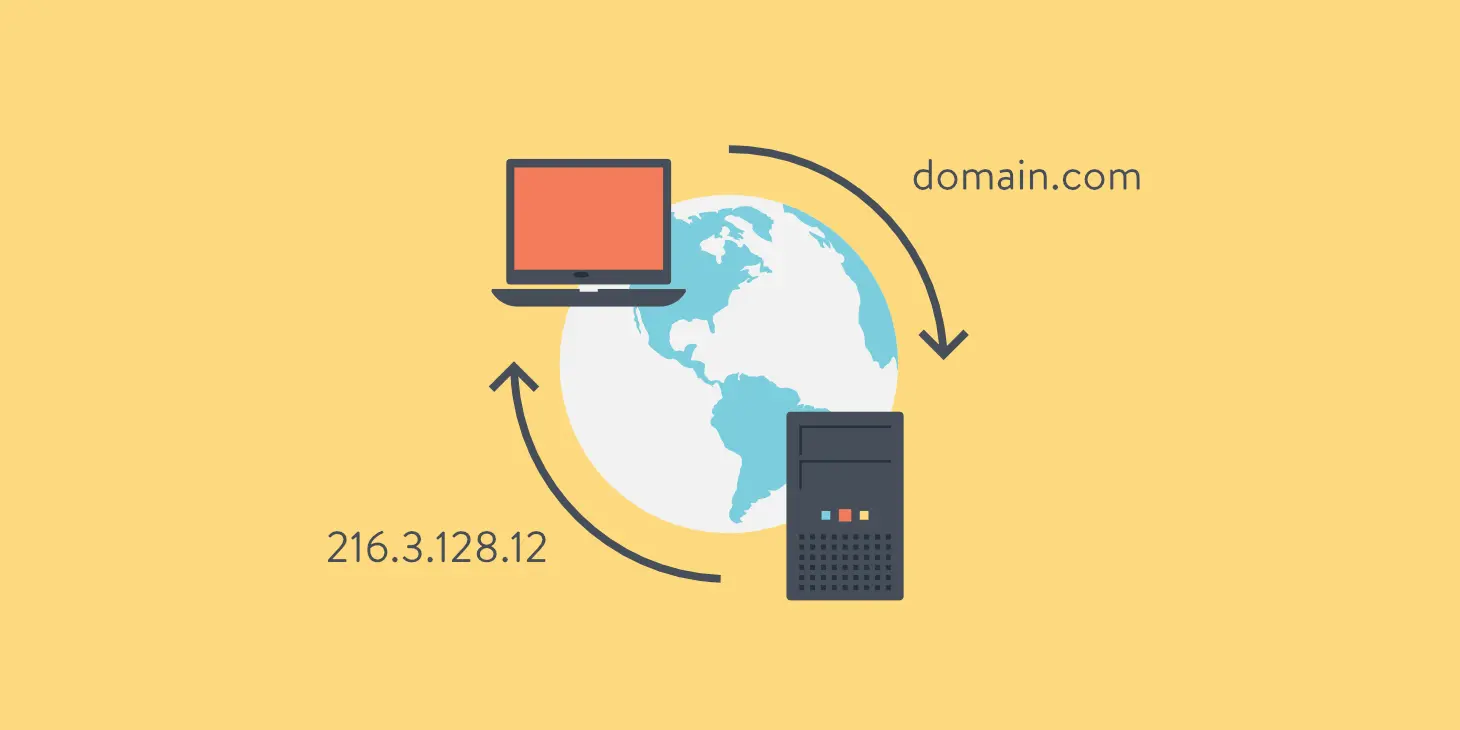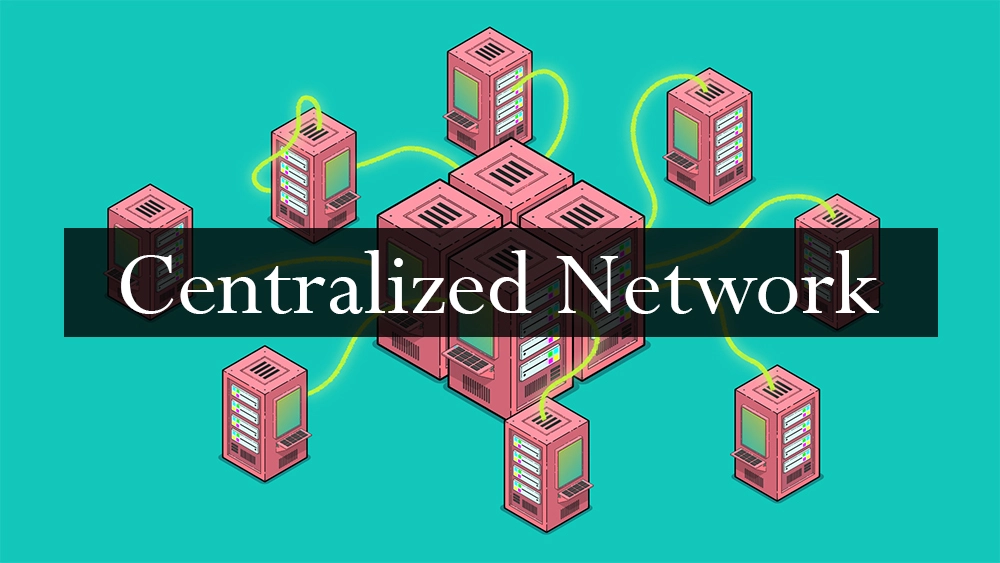
Centralized networks are a foundational concept in understanding network architectures, particularly when contrasted with decentralized or distributed systems. At its core, a centralized network is characterized by a single, central node or server that manages and controls all aspects of the network’s operations. This central entity serves as the primary point of communication, data storage, and decision-making for all other nodes or clients connected to it.
The architecture of a centralized network is typically structured in a star-like configuration, where all client devices connect directly to the central server. This server acts as an intermediary, facilitating communication and data exchange between clients. For example, in a traditional client-server model, the server hosts applications, data, and resources, while client devices request and access these resources through the central server.
One of the primary advantages of centralized networks is their simplicity in design and management. With a single point of control, network administrators can easily monitor, maintain, and update the system. Security measures are also more straightforward to implement, as the central server can enforce access controls and security policies for all connected devices. This centralized control also allows for efficient resource allocation and management, ensuring optimal performance and utilization of network resources.
However, centralized networks also have inherent limitations. The most significant drawback is the single point of failure. If the central server fails, the entire network can become inoperable, disrupting services and causing downtime. This vulnerability makes centralized networks susceptible to denial-of-service attacks and other forms of cyber threats.
Scalability can also be a challenge in centralized networks. As the number of connected devices increases, the central server may become a bottleneck, leading to performance degradation and slower response times. Upgrading the server’s capacity can mitigate this issue, but it often requires significant investment and can only address the problem to a certain extent.
Despite these limitations, centralized networks remain prevalent in many applications, particularly in scenarios where security, control, and ease of management are paramount. Enterprise networks, data centers, and traditional client-server applications often rely on centralized architectures to provide reliable and secure services. However, the rise of decentralized and distributed technologies, such as blockchain and peer-to-peer networks, is gradually shifting the landscape, offering alternative solutions that address some of the inherent limitations of centralized systems.