Multi-Factor Authentication (MFA) is a security system that requires more than one method of authentication to verify a user’s identity before granting access to a website, application, or other resource. MFA adds an extra layer of security, making it more difficult for unauthorized individuals to access sensitive information, even if they have a user’s password.
The core principle behind MFA is to use different authentication factors, which fall into three main categories:
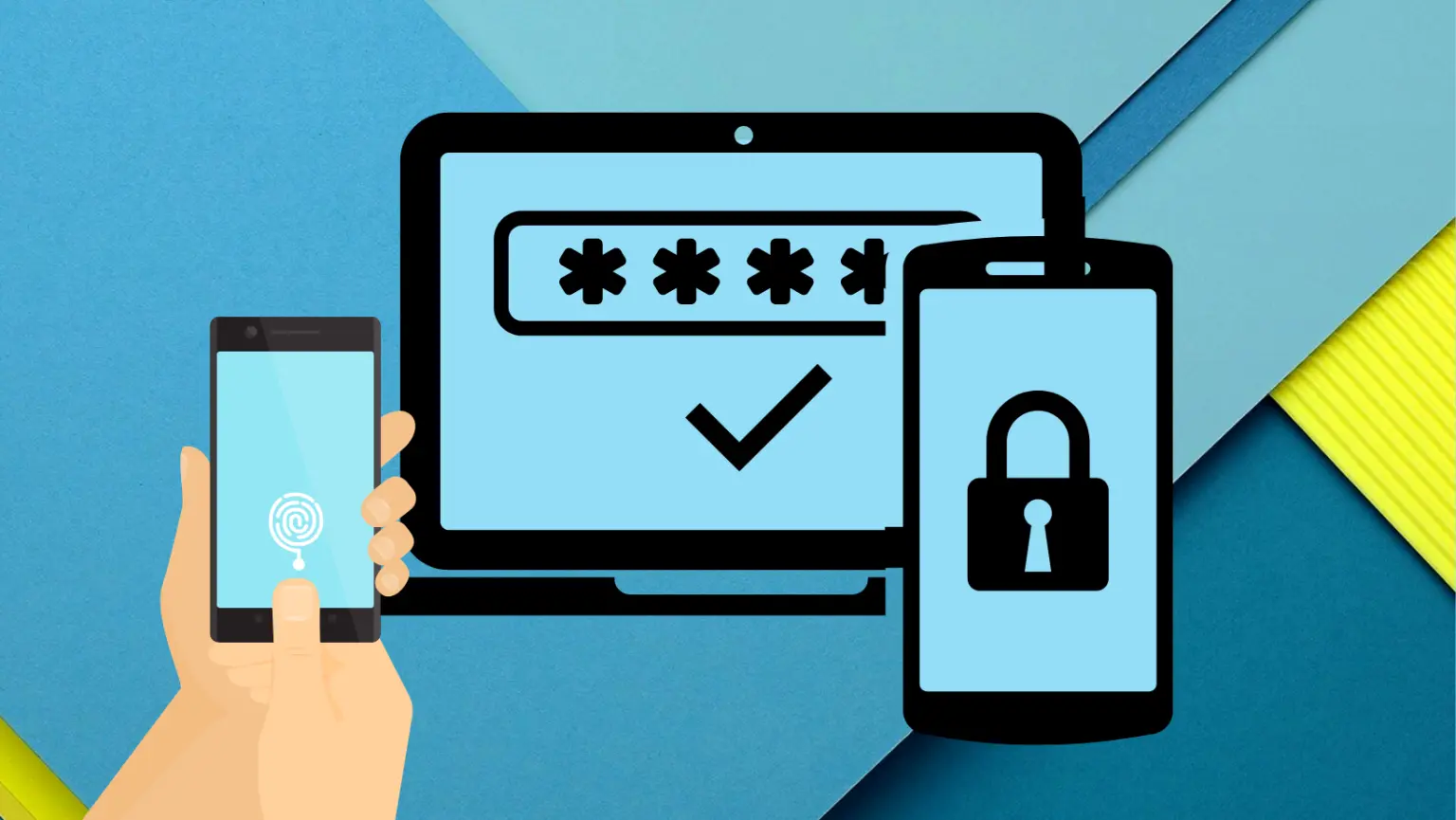
- Something you know: This is the most common factor and typically refers to a password or PIN. It’s information that only the user should possess.
- Something you have: This involves a physical item that the user owns, such as a smartphone, security token, or smart card. This device is used to generate a one-time code or approve a login request.
- Something you are: This relies on biometric data to identify the user, such as a fingerprint, facial recognition, or voiceprint.
By combining factors from different categories, MFA significantly reduces the risk of successful cyberattacks. Even if a hacker manages to obtain a user’s password (something you know), they would still need access to the user’s physical device (something you have) or biometric data (something you are) to gain access.
MFA is increasingly important in today’s digital landscape due to the rising number of data breaches and cyber threats. Weak or stolen passwords are a primary cause of security breaches, and MFA can effectively mitigate this risk.
Implementing MFA can seem complex, but many user-friendly solutions are available. These solutions often involve apps that generate temporary codes, push notifications that require approval, or biometric scanners built into devices.
While MFA is not a silver bullet, it is a crucial step in enhancing security and protecting sensitive data. By requiring multiple forms of verification, MFA makes it significantly harder for attackers to compromise accounts and gain unauthorized access.
As cyber threats continue to evolve, MFA will remain an essential tool for individuals and organizations seeking to safeguard their digital assets.